electro-hydraulic-servo-pmsm-motor-for-injection-molding--presses-, electro-hydraulic-servo-pmsm-motor-for-injection-molding--presses-, /industrial-permanent-magnet-motors
EN

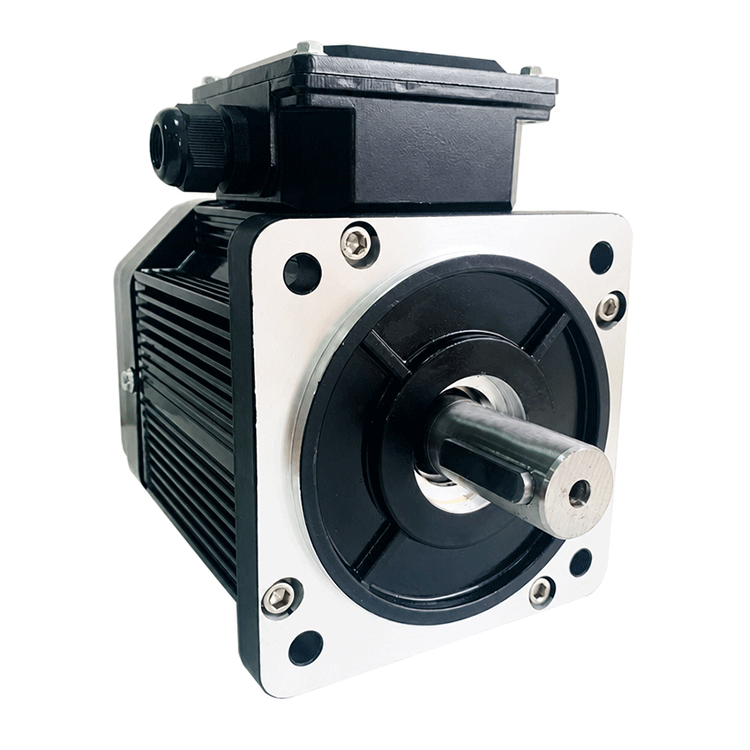
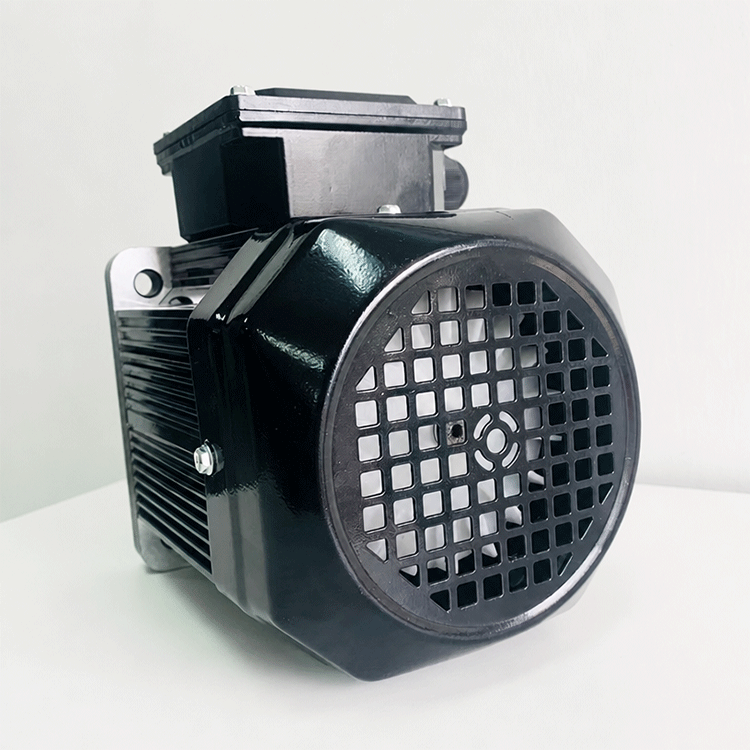
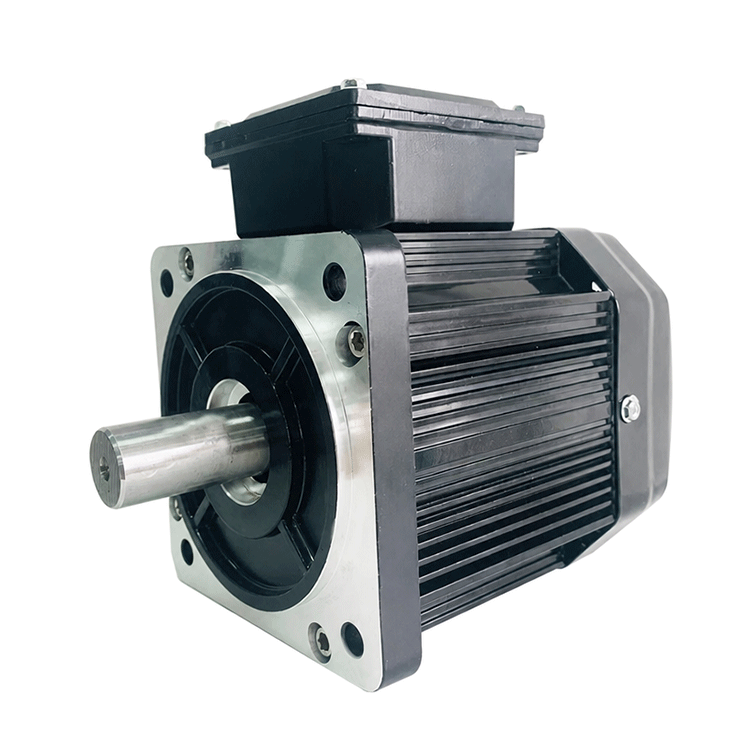
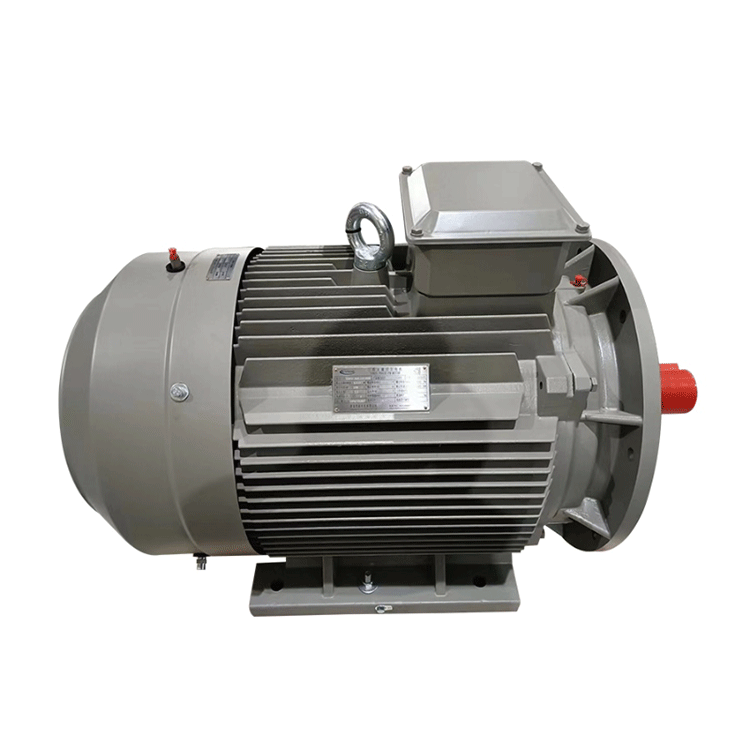
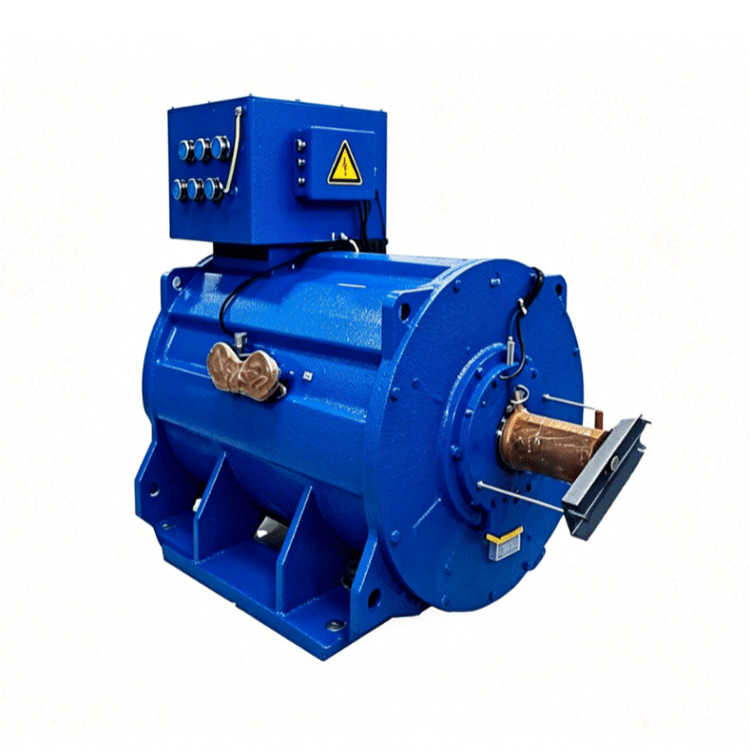
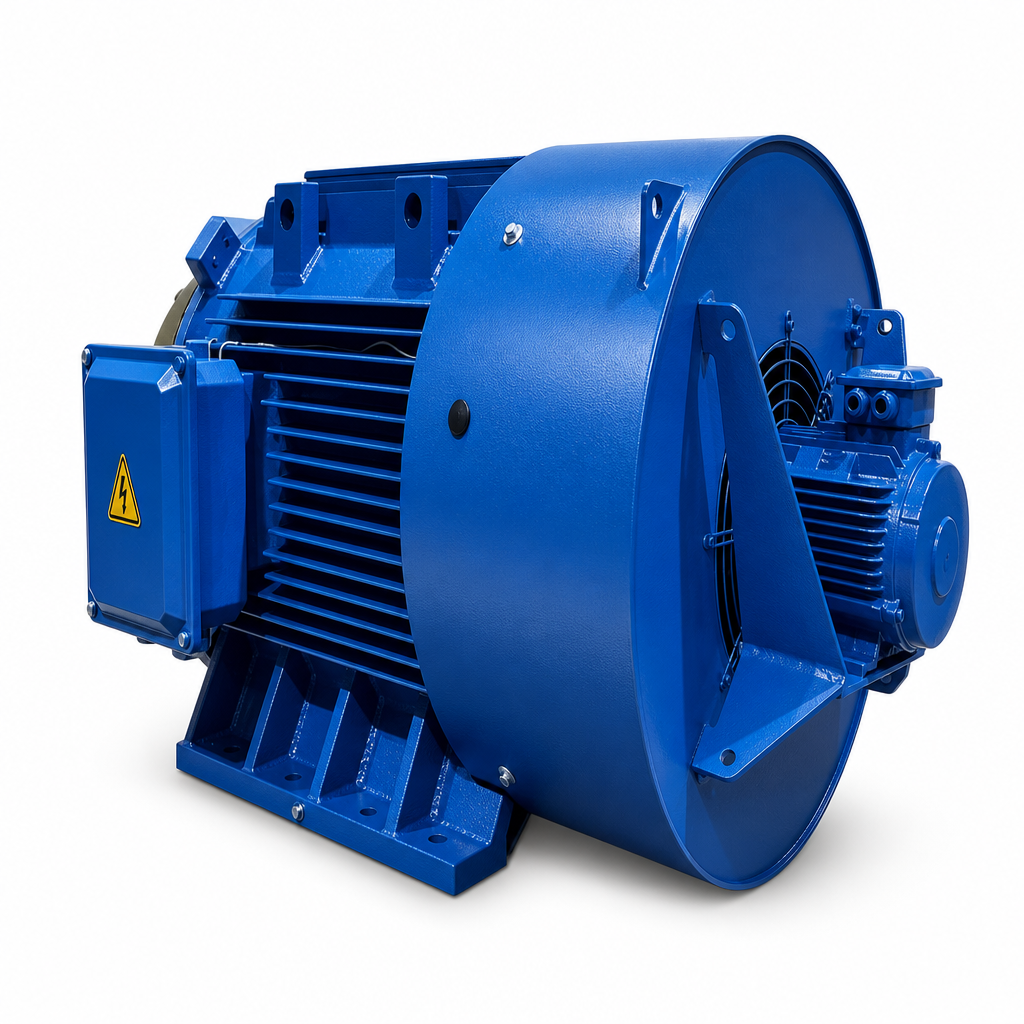
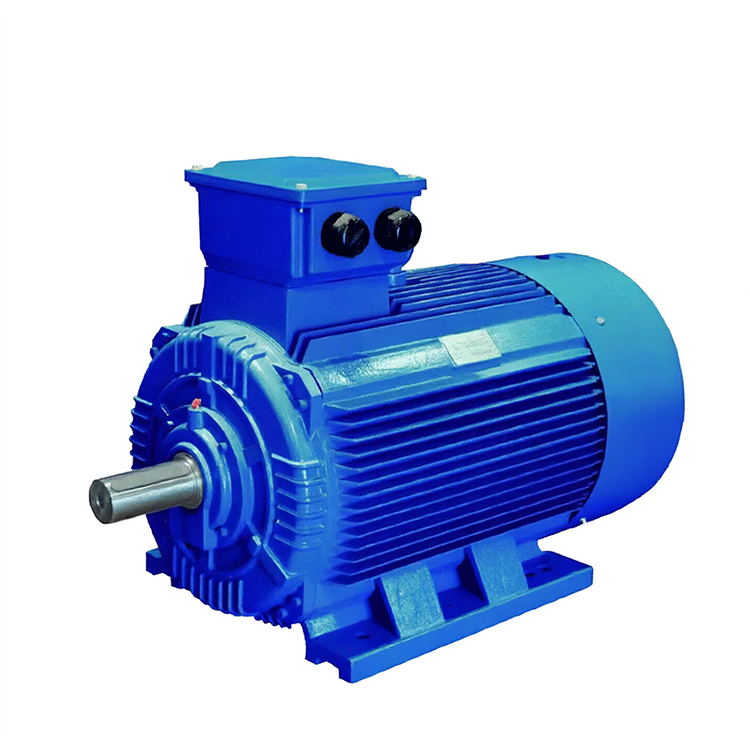
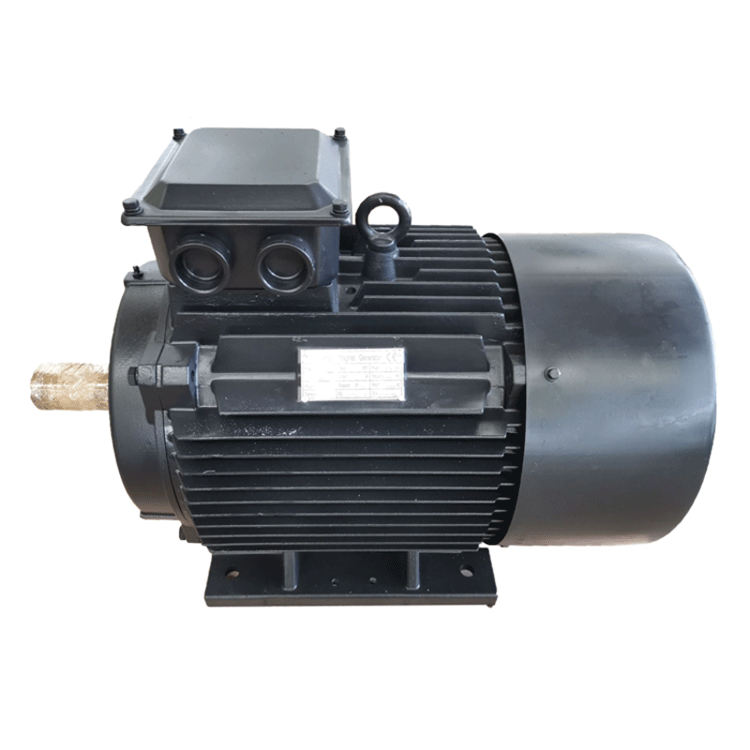
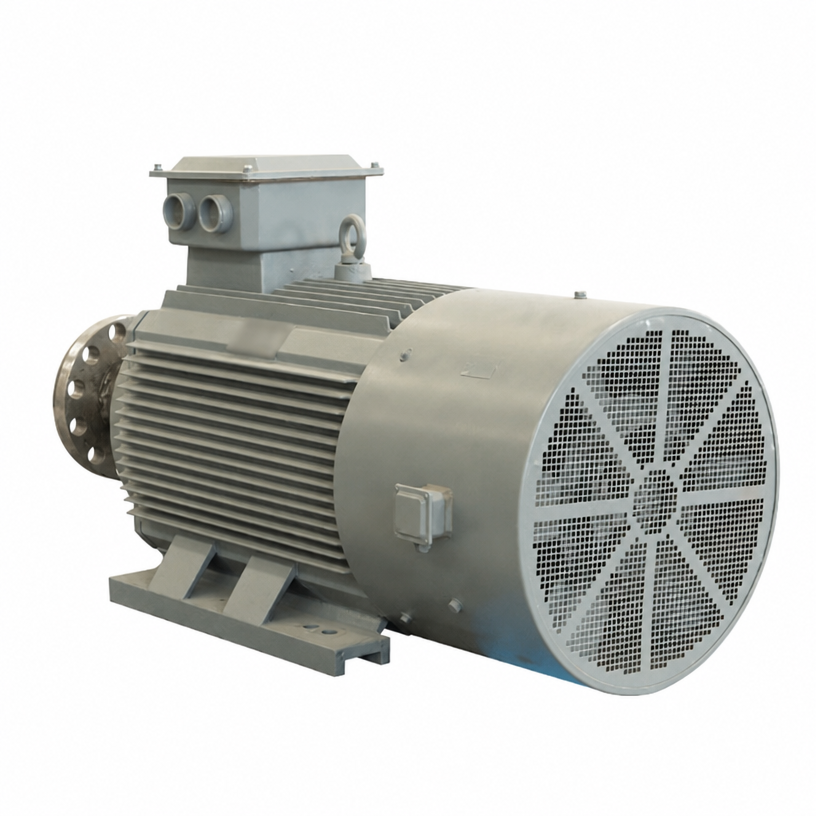
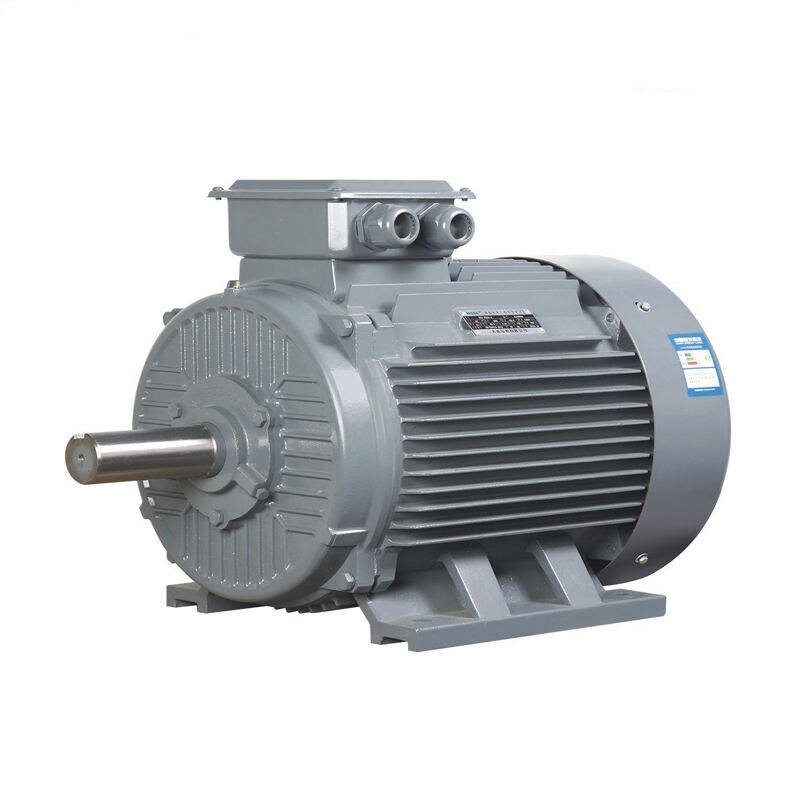
An electro-hydraulic servo permanent magnet synchronous motor for hydraulic equipment with changing pressure and flow demands. The MM series is designed to work with a compatible servo driver, encoder feedback, pump, and control system so motor speed and torque can follow the active process stage. Published series data include 10–500 N·m rated torque, 30–1500 N·m peak torque, 1000/1500 r/min speed options, and response time of up to 50 ms. Natural, forced-air, and oil-cooling options are available, along with IP54/IP55 protection. It can be evaluated for injection molding, die-casting, hydraulic presses, bending machines, blow molding equipment, and retrofit projects after a full machine and hydraulic-system review.
Product Overview
The Electro-hydraulic Servo Motor is designed for industrial hydraulic equipment with changing pressure and flow requirements. It combines a permanent magnet synchronous motor with a matched servo-drive approach for injection molding machines, die-casting machines, hydraulic presses, bending equipment, blow molding machines, and retrofit projects. Rather than operating at one fixed output throughout a cycle, a compatible hydraulic servo system can adjust motor speed and torque in response to the active process stage.
Qingdao Enneng Motor CO., Ltd. supplies the MM Series for original equipment integration and hydraulic system upgrades. The drive concept is particularly relevant where a machine moves repeatedly between injection, holding pressure, cooling, return, and standby. A permanent magnet synchronous motor can be paired with a servo driver, encoder feedback, pump, and control system so that output follows the pressure and flow command more closely.
Selection should begin with the actual equipment conditions. Pump type, required pressure and flow, duty cycle, controller signals, mounting interface, enclosure, ambient temperature, and machine condition all affect the final configuration. This page provides series-level reference information; final electrical, mechanical, feedback, and driver details should be confirmed for the selected machine.
How the Hydraulic Servo System Works
A hydraulic servo system uses feedback and variable motor output to support hydraulic demand. When the controller requests pressure or flow, the servo driver commands the permanent magnet synchronous motor to provide the required speed and torque. This arrangement can be useful where the machine needs quick acceleration, stable holding pressure, or controlled motion at different points in its operating cycle.
The MM Series is listed with a response time of no more than 50 ms. Overall machine response also depends on controller communication, pump characteristics, valves, sensors, hydraulic line design, and tuning. For that reason, an electro-hydraulic servo motor should be evaluated as part of the whole hydraulic servo system rather than as an isolated replacement part.
Key Features
NdFeB permanent-magnet rotor design for electro-hydraulic servo applications.
Rated torque from 10 to 500 N·m and peak torque from 30 to 1500 N·m.
Up to three-times instantaneous overload reference, subject to application conditions.
Listed response time of ≤50 ms for changing hydraulic commands.
Rated speed options of 1000 r/min and 1500 r/min.
Natural cooling, forced-air cooling, and oil-cooling options.
IP54 or IP55 protection options and Class F insulation with Class B temperature rise.
Minimum order quantity of one unit for replacement or retrofit planning.
Technical Parameters
Parameter |
Specification |
|---|---|
Product type |
Electro-hydraulic servo permanent magnet synchronous motor |
Rated torque |
10–500 N·m |
Peak torque |
30–1500 N·m |
Rated speed |
1000 / 1500 r/min |
Response time |
≤50 ms |
Efficiency class |
IE4 / IE5 level |
Protection class |
IP54 / IP55 |
Insulation class |
Class F, Class B temperature rise |
Cooling method |
Natural / forced air / oil-cooled |
Operating environment |
-20°C to +40°C; relative humidity <90% |
Warranty |
1 year |
Technical Advantages
An electro-hydraulic servo motor can follow the changing demand of a production cycle. In a conventional hydraulic arrangement, a motor may continue to operate at a relatively constant speed during holding pressure, cooling, or waiting stages. With compatible components and settings, a hydraulic servo system can reduce unnecessary output during lower-demand stages while retaining capacity for active stages.
The source material for the MM Series describes energy-saving potential in retrofit applications, with results varying by equipment and process. Actual energy consumption is affected by cycle profile, load variation, pump condition, oil condition, controller settings, and operating hours. A site-specific evaluation gives engineering and purchasing teams a more useful basis for assessing an energy-saving hydraulic system than a generic result alone.
Pressure and speed stability are also important in hydraulic manufacturing. When combined with compatible encoder feedback and vector-control hardware, the permanent magnet synchronous motor can support controlled pressure holding and flow adjustment. This may help processes that require repeatable movement, pressure management, or cycle consistency.
Noise and oil temperature are influenced by how the hydraulic unit is designed and operated. The source material notes that suitable systems may operate below 70 dB and may limit unnecessary oil agitation. Actual sound and thermal behavior depend on the pump, piping, enclosure, cooling circuit, load pattern, and installation environment, so they should be verified on the completed machine.
Applications
Injection Molding Machines
The electro-hydraulic Servo Motor can be considered as an injection molding servo motor solution where controlled injection speed, holding pressure, and hydraulic movement are required. A correctly matched hydraulic servo system can align motor output with different molding-cycle stages.
Die-Casting Machines
Die-casting equipment may have short periods of high hydraulic demand during shot-related actions. The listed peak-torque range can support selection for an appropriately designed servo-hydraulic unit. The motor and driver should be matched to the actual machine cycle and pump requirement.
Hydraulic Presses and Bending Machines
Hydraulic presses and bending machines can use an electro-hydraulic servo motor where repeatable force management, variable motion profiles, or lower output during non-working stages is needed.
Blow Molding Equipment
For blow molding equipment, the electro-hydraulic Servo Motor can support hydraulic actions related to motion and process control. Configuration should consider required flow, pressure, mechanical movement, production rhythm, and cooling conditions.
Retrofit Projects
For an existing machine, a retrofit should start with an engineering review. Qingdao Enneng Motor CO., Ltd. can assess the installed motor and pump arrangement, operating pressure, flow demand, duty cycle, mounting details, and controller signals to help identify an appropriate electro-hydraulic servo motor configuration.
Selection and Commercial Considerations
The value of an energy-saving hydraulic system is not limited to one efficiency number. A practical evaluation also considers control quality, heat management, maintenance planning, component compatibility, and the replacement strategy. When a system is matched to its duty cycle, it may reduce unnecessary power draw at lower-demand stages while supporting the output required for production.
Before ordering, confirm torque and speed requirements, cooling method, protection class, electrical supply, mounting dimensions, feedback device, compatible servo driver, pump interface, and site environment. This review is especially important for retrofit work because existing machine condition can affect installation scope and operating results.
FAQ
Q:Can the Electro-hydraulic Servo Motor retrofit an existing injection molding machine?
A:It can be considered for a hydraulic retrofit after reviewing the existing motor, pump, controller, mounting arrangement, production cycle, and hydraulic requirements.
Q:What energy savings can be expected?
A:Energy use depends on machine cycle, load profile, pump condition, control settings, and operating time. The source material describes application-dependent ranges, but a site-specific assessment is recommended rather than a generic savings commitment.
Q:Does the motor require a matched servo driver?
A:Yes. The permanent magnet synchronous motor is intended to work with a compatible servo driver and related feedback and control components in an electro-hydraulic application.
Q:Which cooling method should be selected?
A:Natural, forced-air, and oil-cooling options are listed. The choice depends on torque demand, running time, ambient temperature, enclosure conditions, and available installation space.
Q:Are certification details available for every configuration?
A:Certification applicability should be confirmed for the exact product configuration before it is included in purchasing or compliance documentation.


 EN