wind--hydropower-permanent-magnet-generators, wind--hydropower-permanent-magnet-generators, /permanent-magnet-generators762
EN
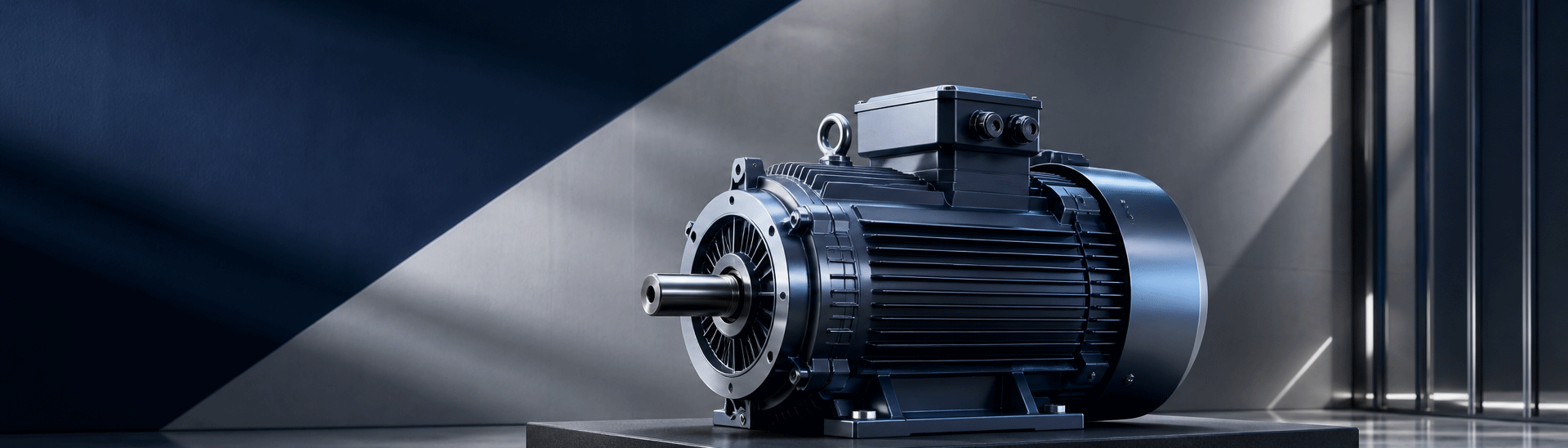
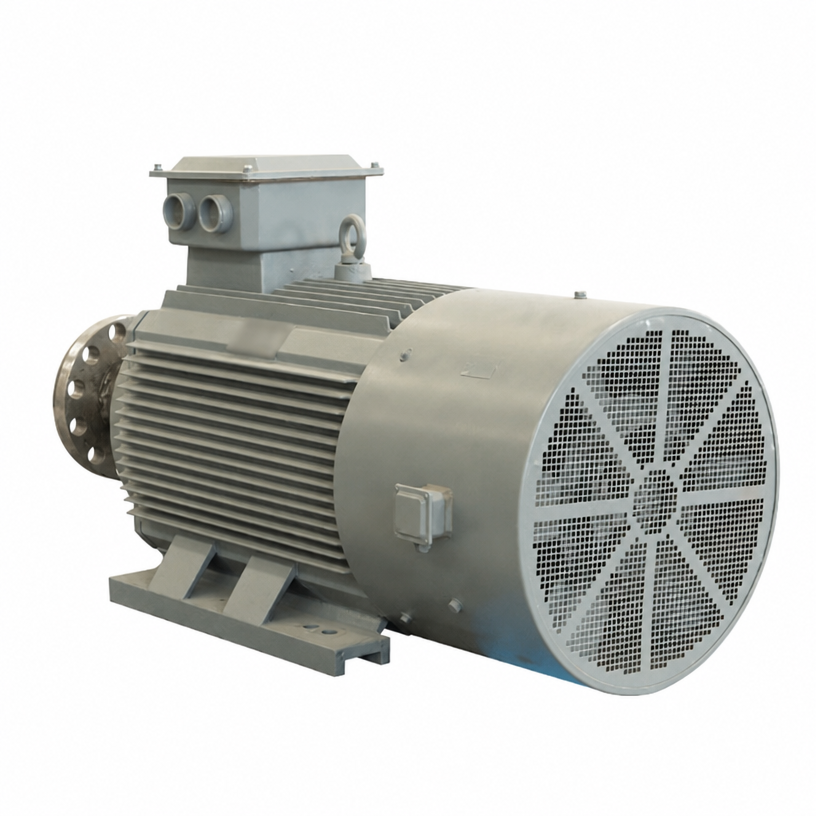
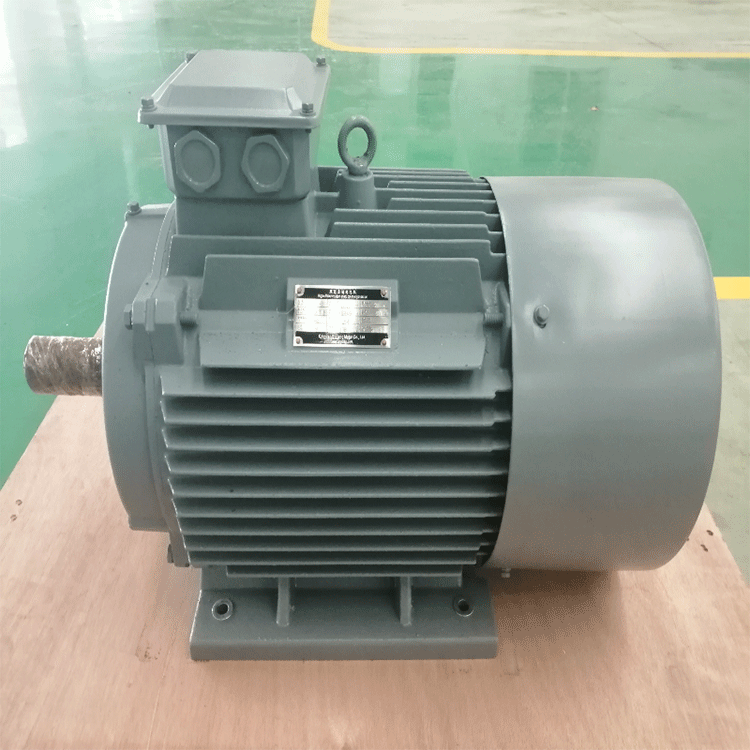
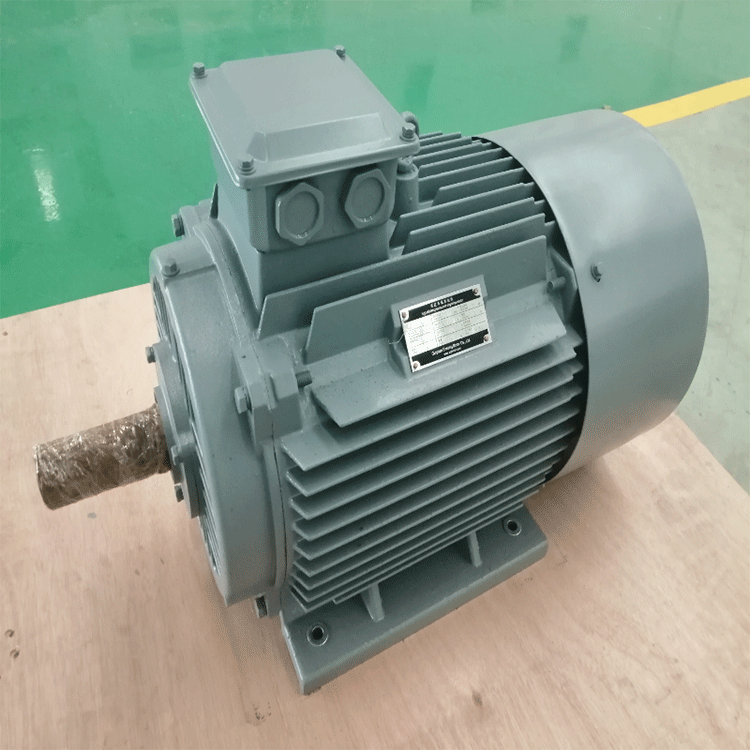
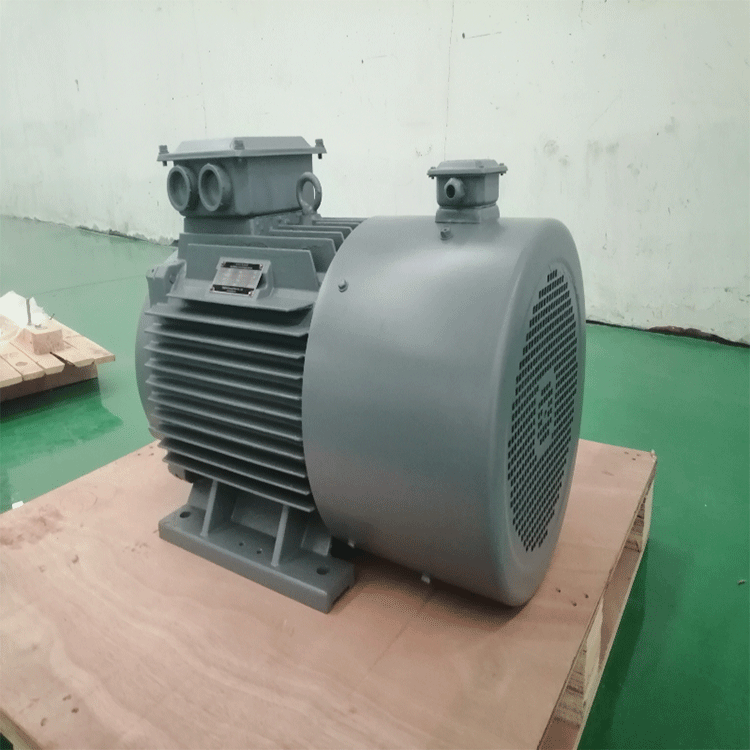
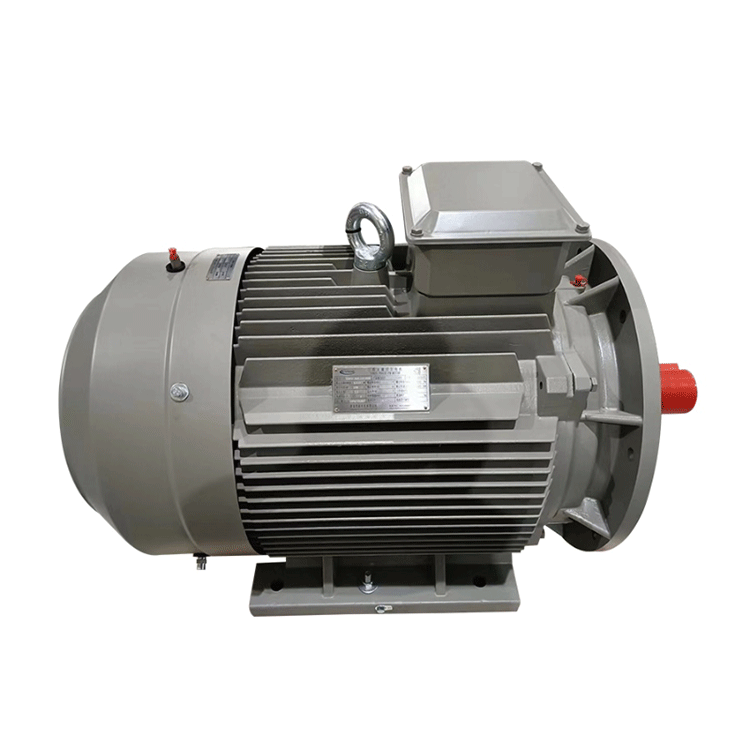
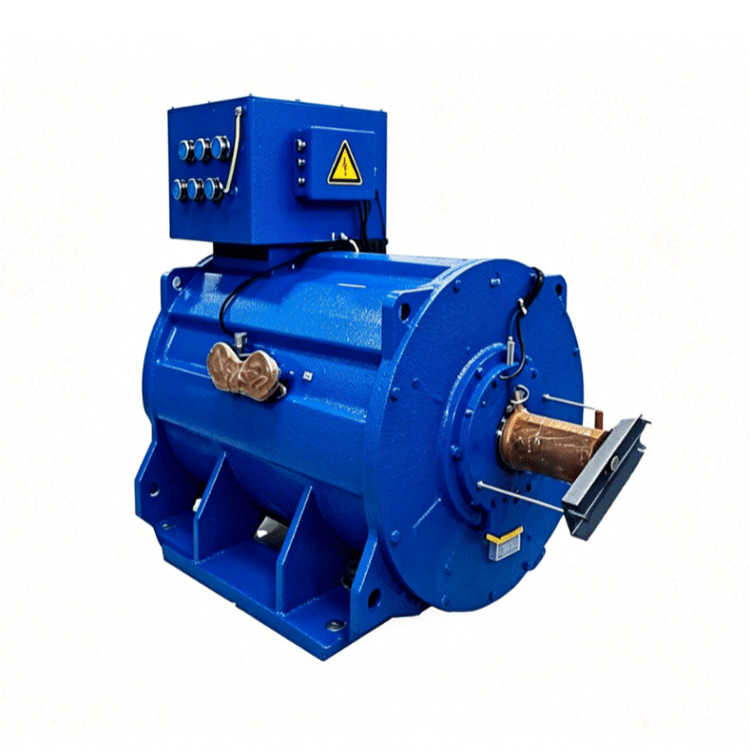
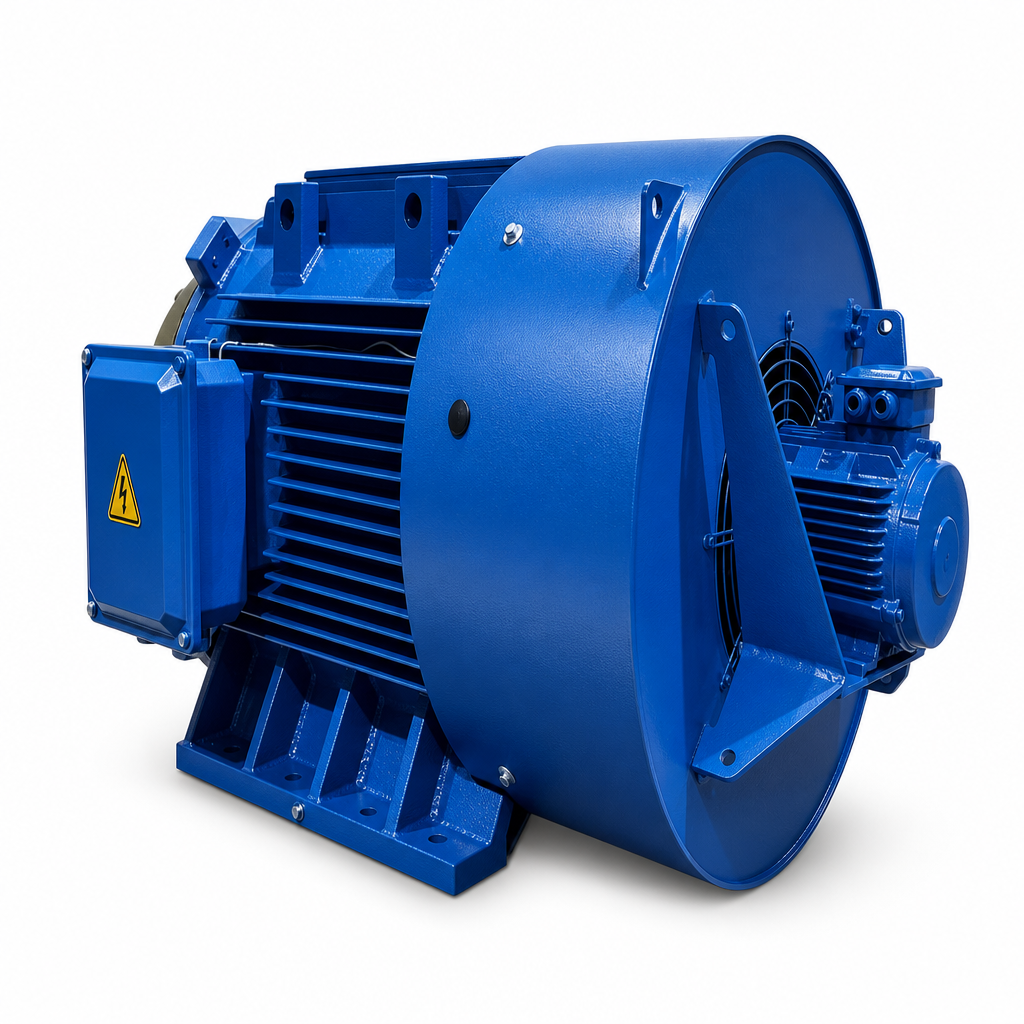
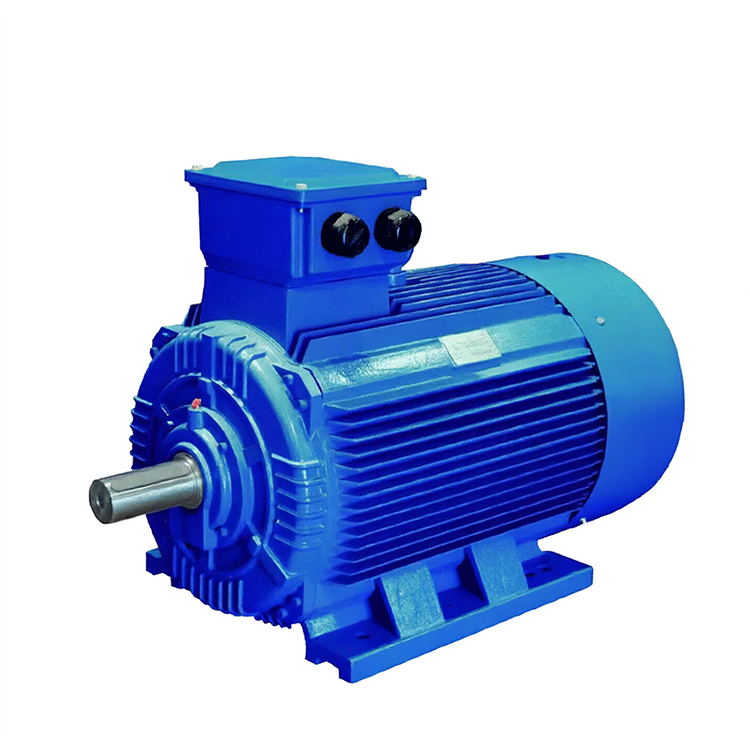
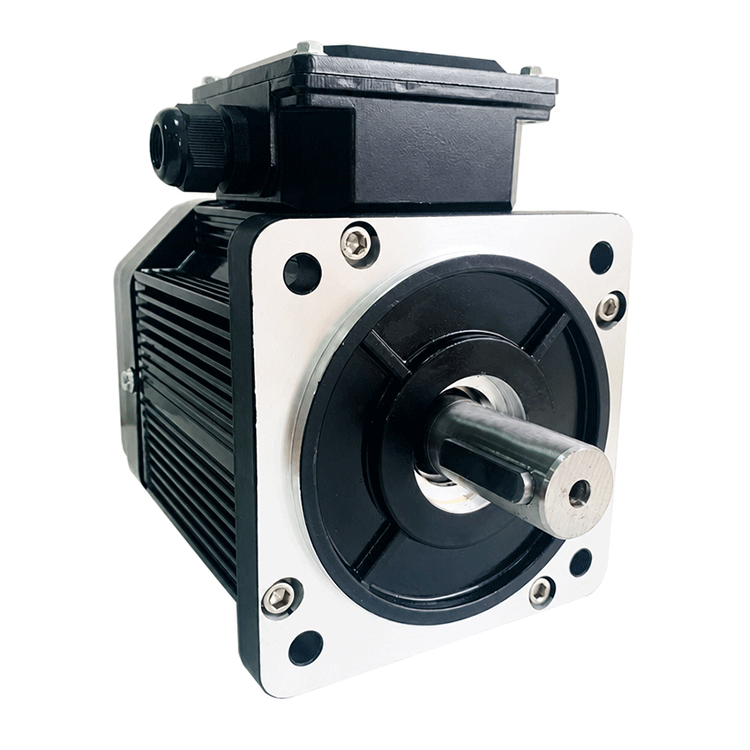
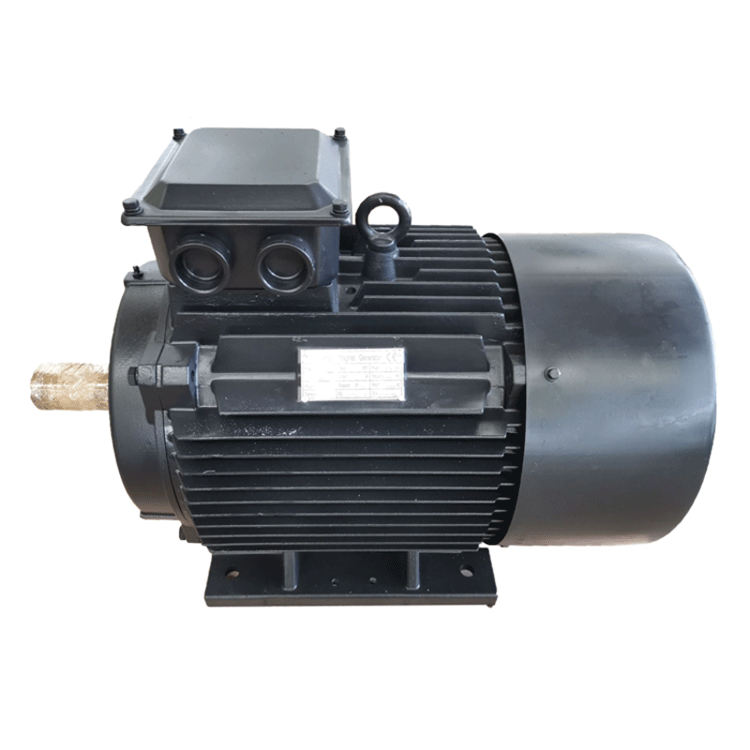
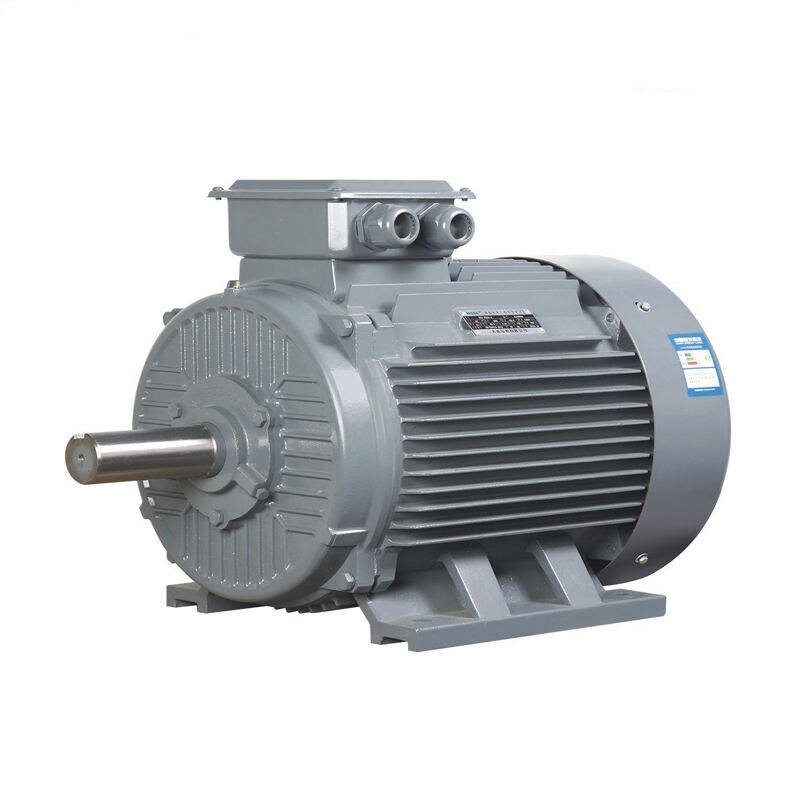
Permanent magnet generators for wind and hydropower projects, covering 5KW–5MW and 20–3000 rpm for direct-drive and low-speed applications. NdFeB magnets establish the rotor field, while three-phase AC output options from 110 V to 690 V support integration with appropriate control, conversion, protection, and distribution equipment. IP54, IP55, and applicable IP68 protection options can be selected according to the installation environment. The range may be matched with wind turbines, micro-hydro and run-of-river systems, or hybrid renewable power arrangements; final configuration depends on turbine characteristics, mechanical interface, voltage, site conditions, and the project’s electrical design.
Product Overview
Wind & Hydropower Permanent Magnet Generators from Qingdao Enneng Motor CO., Ltd. convert mechanical rotation from wind turbines and hydro turbines into three-phase AC power. This Permanent Magnet Generator range is intended for renewable projects where speed, mechanical interface, electrical output, and environmental conditions need to be considered together. It covers rated power from 5KW to 5MW and rated speed from 20 rpm to 3000 rpm. The range can support small wind equipment, larger wind systems, micro-hydro installations, and selected medium-scale hydro applications.
A Permanent Magnet Generator uses NdFeB magnets to establish its magnetic field rather than drawing separate excitation power during operation. For a Wind Power Generator or Hydropower Generator, this approach can be useful when a project needs a direct connection between turbine and generator, or when the speed profile does not fit a conventional high-speed machine. Qingdao Enneng Motor CO., Ltd. reviews the project duty, turbine characteristics, and electrical requirements before confirming the final configuration.
How the Generator Fits the System
A Renewable Energy Generator is one part of a wider power path. In a wind system, blades and the rotor provide variable mechanical input. In a hydro system, the turbine converts water flow and head into rotation. The Permanent Magnet Generator produces electrical energy for suitable control, conversion, protection, and distribution equipment. Project performance depends on matching the generator with the turbine, controller, cabling, load profile, and local installation conditions.
Key Features
Rated power range from 5KW to 5MW for project-specific selection.
Rated speed range from 20 rpm to 3000 rpm, including low-speed applications.
NdFeB permanent magnet construction for wind and hydro generation duties.
Three-phase AC voltage options from 110 V to 690 V.
Protection options of IP54, IP55, or IP68 according to the confirmed application.
Direct-drive and low-speed configurations for a Wind Power Generator or Hydropower Generator.
Engineering adaptation around wind profile, water head, turbine type, and installation environment.
Optional corrosion-focused measures for confirmed water and site conditions.
Technical Parameters
Parameter |
Confirmed range or option |
Selection note |
|---|---|---|
Product type |
Permanent Magnet Generator |
For wind and hydropower systems |
Rated power |
5KW–5MW |
Final rating depends on project requirements |
Rated speed |
20–3000 rpm |
Low-speed configurations available |
Output voltage |
110 V–690 V, three-phase AC |
Confirm with electrical system design |
Magnet material |
NdFeB |
Used in the permanent-magnet rotor |
Peak efficiency |
≥96.0% |
Final performance depends on configuration and operating point |
Protection level |
IP54 / IP55 / IP68 |
IP68 is available for applicable underwater hydro duties |
Minimum order quantity |
1 unit |
Suitable for project and replacement planning |
Warranty |
1 year |
Confirm commercial terms for the order |
Technical Advantages
A Permanent Magnet Generator supports efficient conversion without separate excitation loss. In a Renewable Energy Generator application, this can matter when a turbine runs at changing loads or lower rotational speeds. The published peak efficiency is at least 96.0%; actual operating efficiency depends on the chosen rating, speed, load point, surrounding equipment, and site conditions. Project teams should use performance curves and system calculations for the selected model rather than relying on one general figure.
For a Hydropower Generator, protection and corrosion considerations are practical. Water quality, splash exposure, humidity, installation location, and service access should be identified early. IP54 and IP55 options can suit protected arrangements, while IP68 may be selected for applicable underwater hydro requirements. Coating and sealing needs should be confirmed against the actual water environment; a general description cannot replace a site review.
Applications
Wind Power Systems
This Wind Power Generator range can be considered for direct-drive wind turbines from small systems through multi-megawatt projects within the confirmed power range. A Direct Drive Generator may be useful when the turbine architecture is designed around low-speed coupling. Confirm rotor speed, torque, expected wind conditions, grid or off-grid arrangement, and mechanical mounting before selection.
Micro-Hydro and Run-of-River Projects
As a Hydropower Generator, the range can be matched with vertical or horizontal arrangements and with turbine types such as Kaplan, Pelton, or Turgo where the engineering conditions support the match. Water head, flow variation, turbine speed, shaft orientation, electrical load, and enclosure design all influence the final solution. For submerged duties, identify the protection requirement during the technical discussion.
Hybrid and Remote Power Systems
A Renewable Energy Generator can also serve hybrid systems combining wind, hydro, solar, batteries, or diesel backup. In these installations, the generator must work with the selected converter, controller, storage strategy, and load-management approach. It is a configurable generation component for integration into a correctly designed hybrid system, rather than a promise of uninterrupted power.
Selection and Commercial Value
A Direct Drive Generator may support a simpler drivetrain layout in suitable projects, while a tailored Wind Power Generator or Hydropower Generator can help align the electrical machine with the natural resource and turbine design. Commercial value should be assessed through equipment compatibility, installation scope, maintenance planning, local service access, and expected operating profile. Results vary by application, so a project-specific engineering review remains the practical basis for an investment decision.
Frequently Asked Questions
Q:Can this Permanent Magnet Generator operate below 100 rpm?
A:Yes. The listed rated-speed range starts at 20 rpm. The final low-speed design should be confirmed from turbine speed, required power, torque, and electrical output requirements.
Q:Is it suitable as a Direct Drive Generator?
A:It can be configured for direct-drive use where the turbine and mechanical arrangement are compatible. Final coupling, shaft, support, and protection details require project confirmation.
Q:Which protection level should a Hydropower Generator use?
A:IP54, IP55, and IP68 options are listed. The suitable choice depends on enclosure design, water exposure, humidity, and whether the hydro duty requires an underwater arrangement.
Q:What information is needed for a Wind Power Generator inquiry?
A:Please provide turbine type, power target, speed range, voltage, site conditions, mechanical interface, and intended system connection. These details help Qingdao Enneng Motor CO., Ltd. recommend a relevant configuration.


 EN